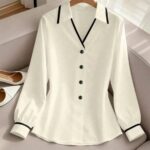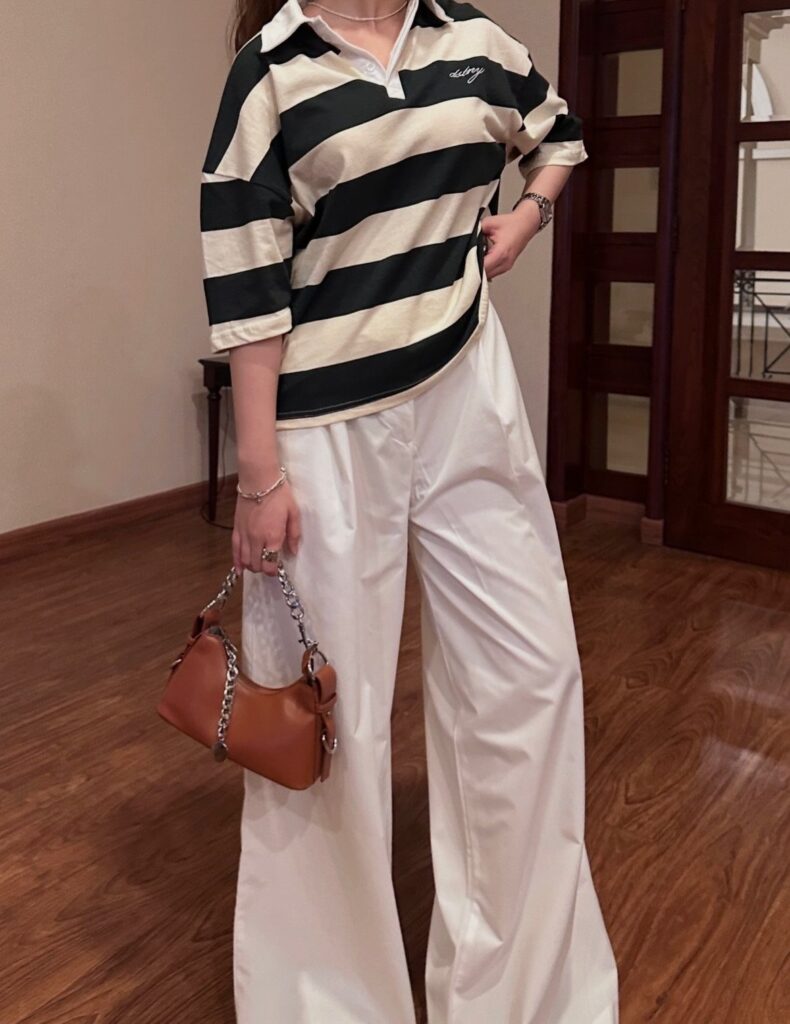
Age sets the pick more than anything: polos, button-downs and matching two-piece sets with soft, stretchy waistbands work for younger kids who will sit still for a minute at most, while blazer-and-trousers layering or a graphic tee with denim shorts suits teens and adults who can handle a stiffer or more casual look.
The ideas range from a bright cardigan or vest layered over a solid piece, which keeps the color count low, to a group that coordinates without matching.
Comfort and a color that stands apart from the backdrop matter in every one of them.
1. Cardigans, Vests
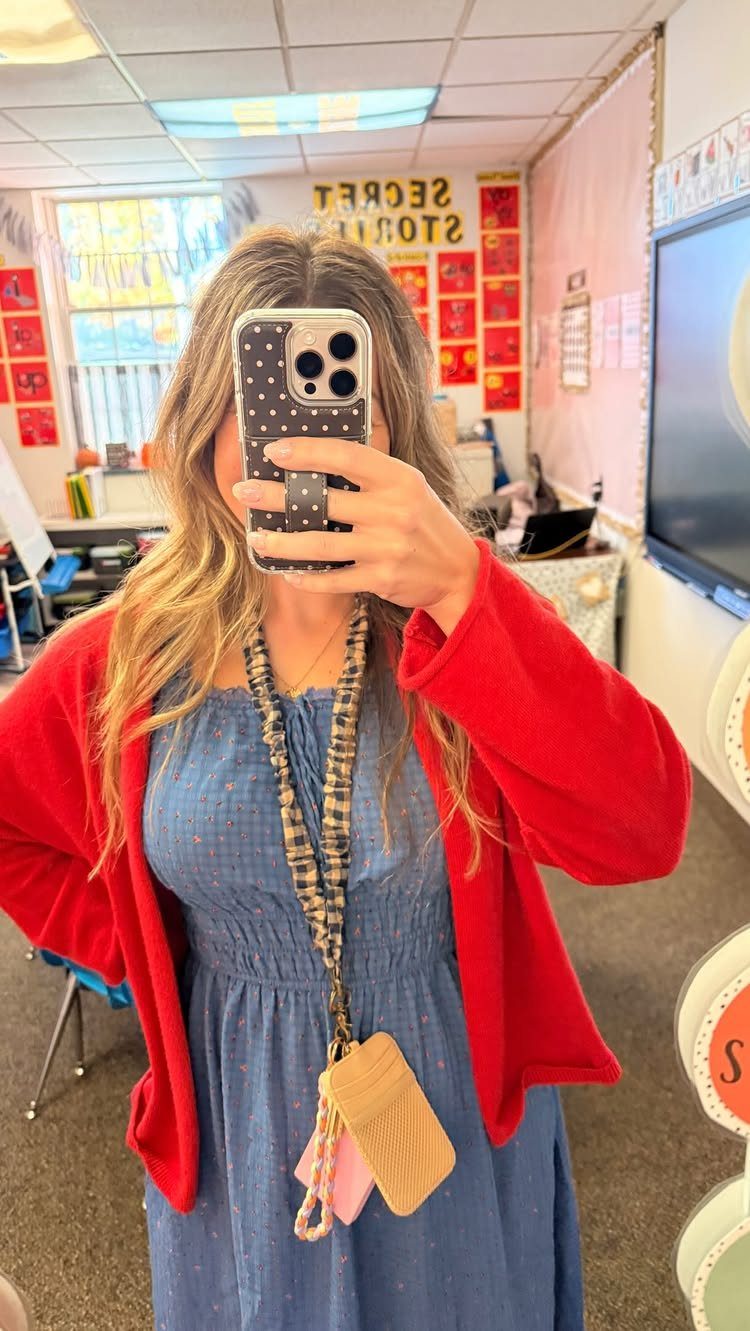
A bright cardigan over a solid dress keeps the color count at two, which is enough for a photo.
Button it up for the photo, then unbutton it for recess. Skip anything bulky at the neckline, since a thick collar bunches under a chin.
2. Polos, Button-Downs
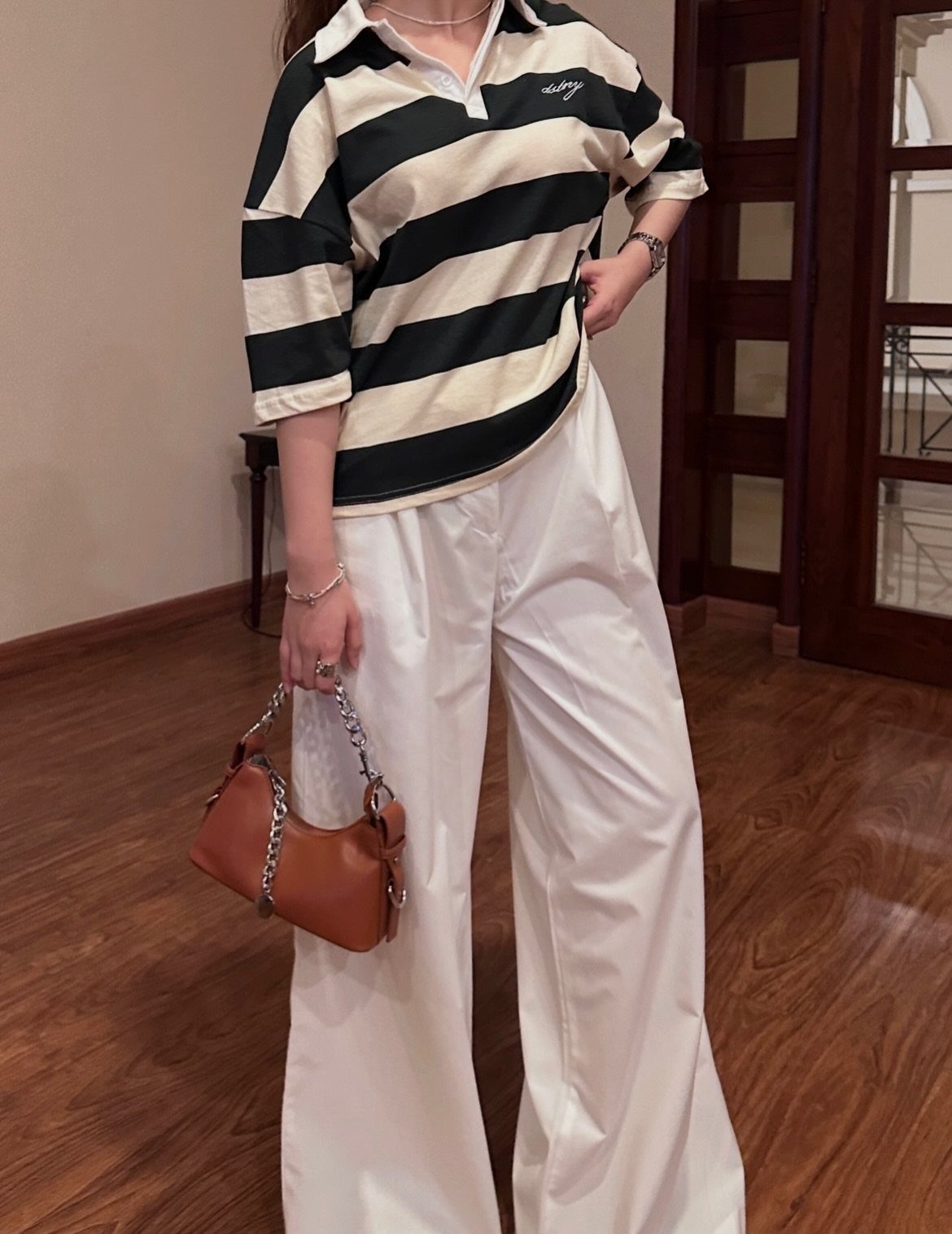
Stripes on a polo give a kid’s outfit its structure, so the rest can stay quiet. White wide-leg trousers follow the same logic: one pattern, one plain piece, nothing competing.
A polo also stays tucked and collared without much fuss, which suits a child who will be sitting still for only a minute.
A button-down looks sharper but wrinkles faster. I would pick the polo for younger kids and save the button-down for older ones who will keep it neat.
3. Play with Color
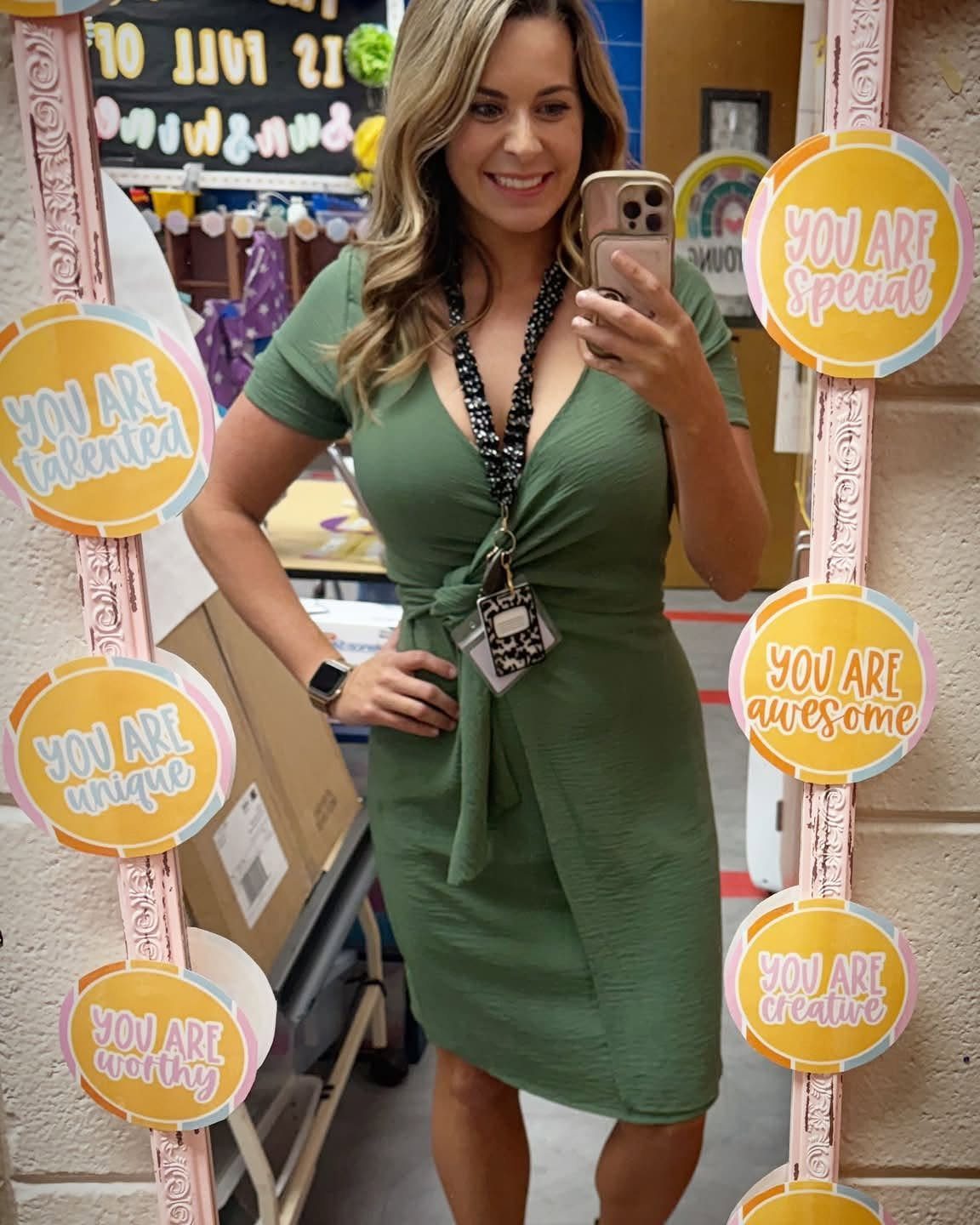
Jewel tones such as emerald, sapphire and ruby, or soft pastels, give a picture a lively look without any pattern. A single deep color, like olive in a wrap dress, can carry the whole outfit without any extra pattern.
Pick one hue and keep shoes and accessories neutral. A simple necklace is plenty.
Jewel tones read richer and more formal; pastels feel lighter and softer. I lean toward jewel tones for fall pictures, but the choice is yours.
4. Matching Two-Piece Sets
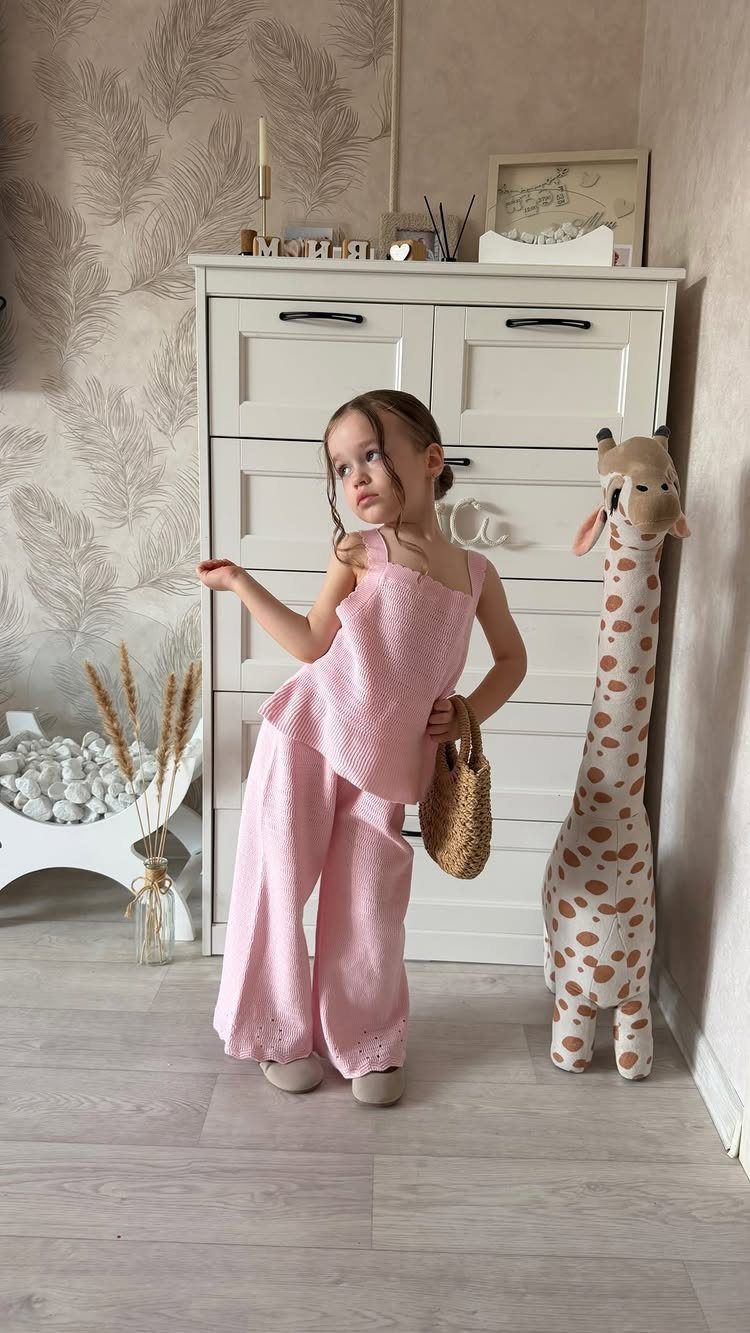
Matching sets take the guesswork out of getting dressed. A sleeveless top with wide-leg trousers in the same pink looks finished the second it goes on, with no coordinating needed.
Choose a set with a soft, stretchy waistband so a child can sit, squirm and still look neat. If the morning is cool, add a white or cream cardigan over the top instead of a second color.
One catch: a set is a single outfit, so the pieces are harder to mix into other days.
5. Blazer and Trousers Layering
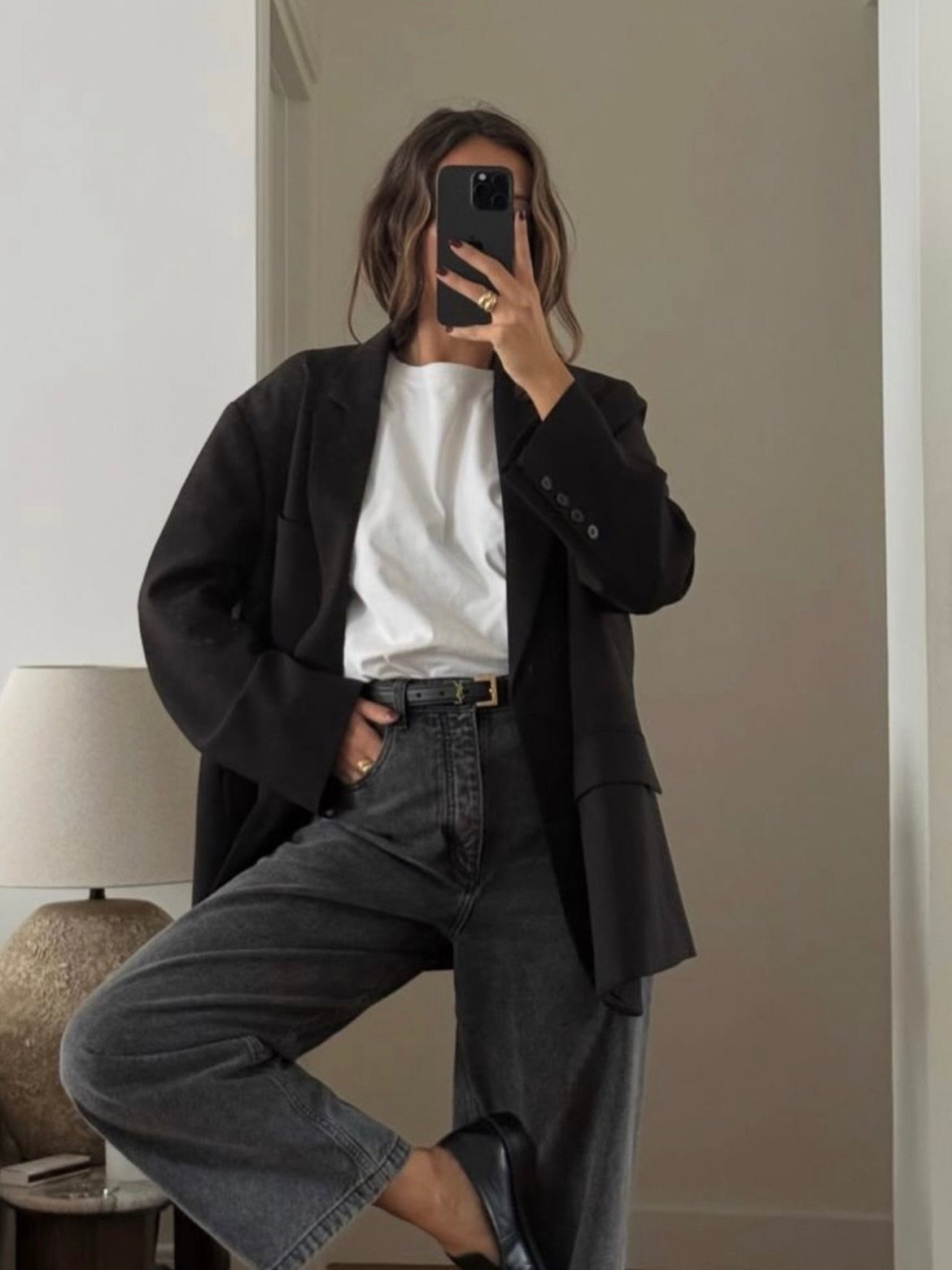
An oversized blazer over a plain white tee is the quickest way to look pulled together without dressing up much. Add a black belt at the waist and dark trousers or denim, and the whole outfit reads sharp.
This one suits teens and moms best, and it works from pieces already in the closet. Keep the tee simple and tucked at the front so the belt shows.
A structured blazer is a real extra layer, so warmth is the cost; on hot days, skip it.
6. Graphic Tees with Denim Shorts
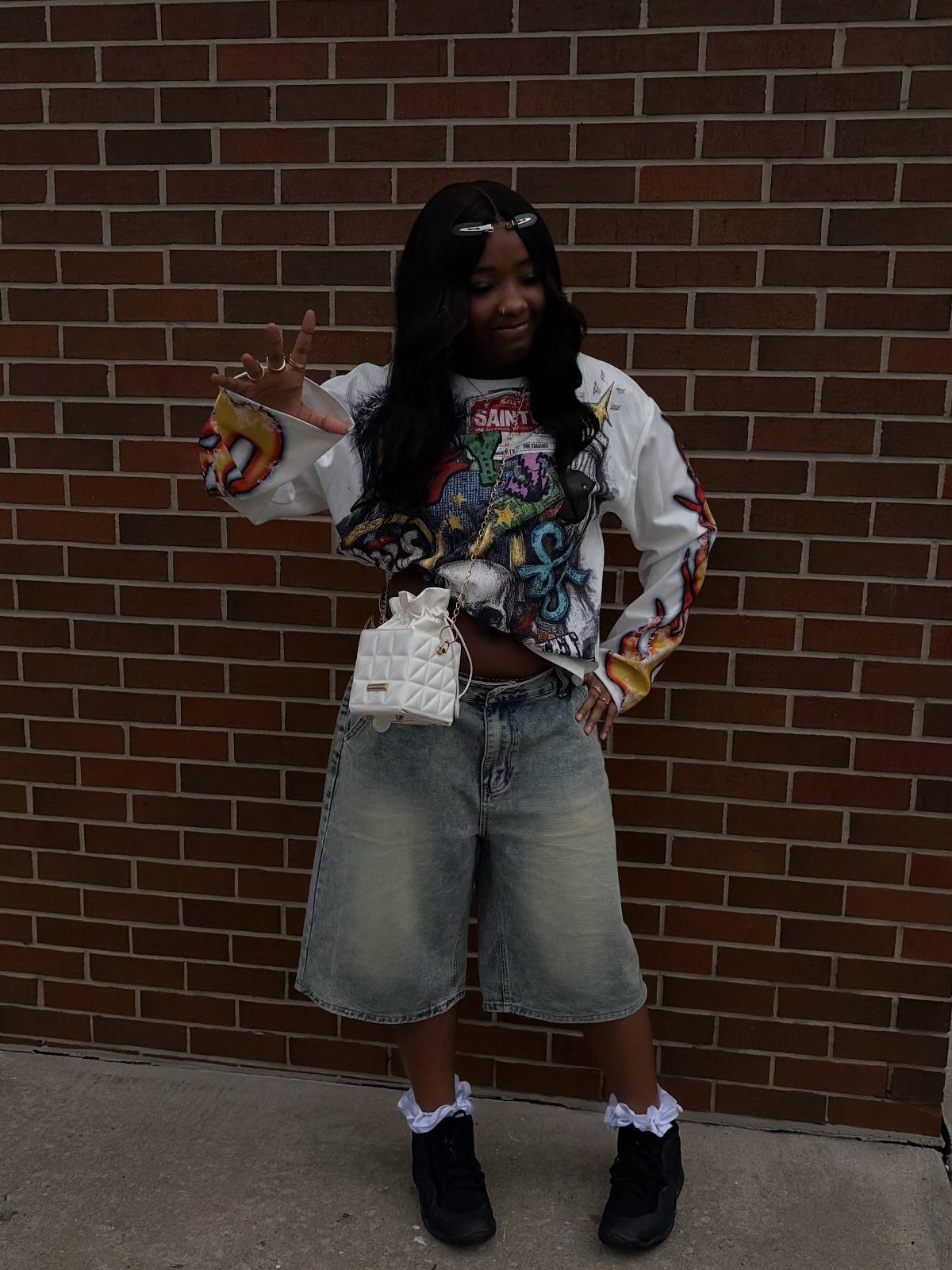
Wide-leg denim bermuda shorts change a graphic tee from a basic into a real outfit. The longer hem looks deliberate, and a loose shirt balances the width.
Ruffled socks and black sneakers finish it, and a white belt bag keeps hands free. Choose a graphic with one color or a simple word, since a busy print fights the camera.
This is a relaxed pick for older kids and teens who won’t wear anything stiff. It is too casual if the school asks for dressy outfits.
7. Coordinate Without Matching
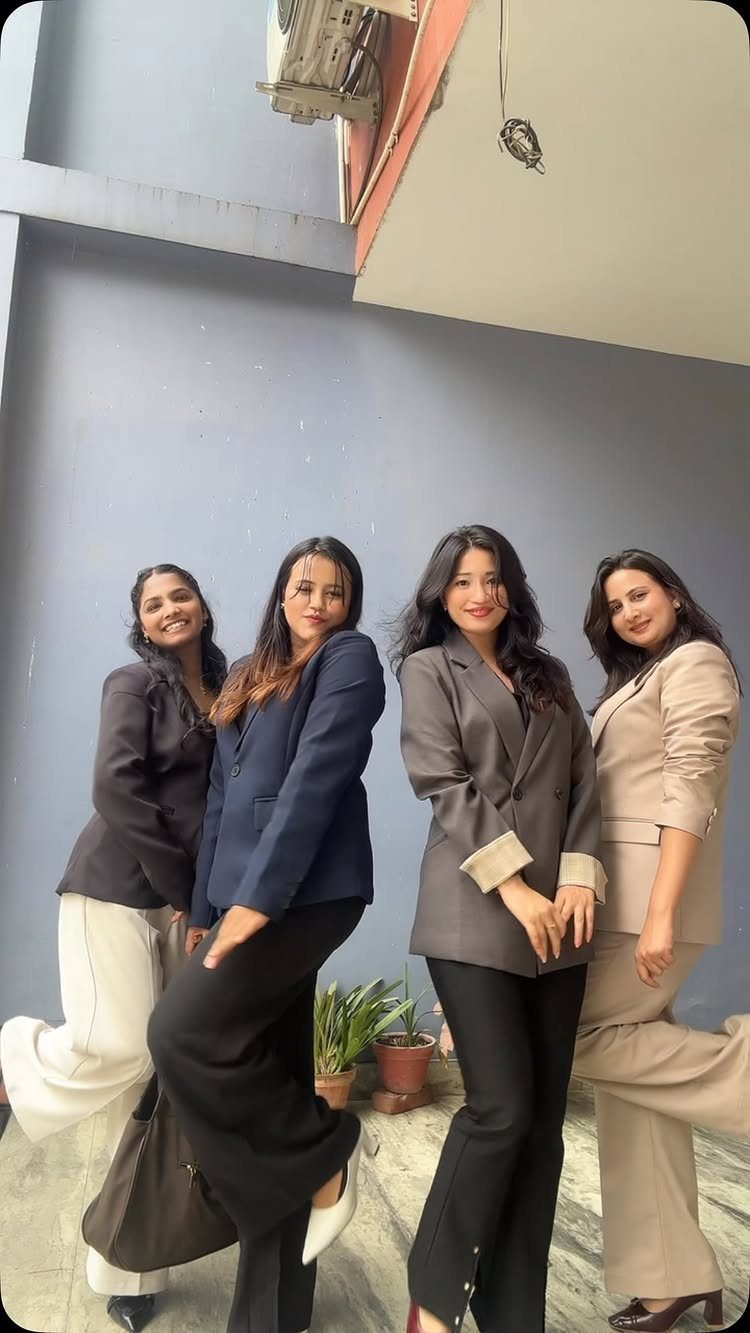
Each person gets her own blazer and trousers, so nobody is in a uniform.
Pick one neutral per person and keep the cut similar, say tailored blazers with straight trousers. Then vary the shade.
This suits teens and adults best, since blazers are warm and a young child may not keep one on. Pull from what each person already owns before buying anything.
Importance of Comfort
Kids smile for real when they stop thinking about their clothes. Picture day punishes small irritations: a scratchy tag, a tight collar or a waistband that digs in will read as a stiff, tight face.
Pick pieces that fit well, feel soft and let a child move freely. Cotton and linen breathe well and stay light, so they suit a warm morning.
For a kid who runs hot, pale colors reflect more heat than dark ones. Shoes count too: choose a nice pair your child can walk and run in without complaint.
Have your child wear the full outfit at home for a few minutes before the big day. If anything gets tugged, pulled or fidgeted with, swap it out.
Choosing Colors
Solid colors keep attention on the face. Navy, burgundy and forest green are deep, rich shades that photograph well and make a child’s eyes and skin look warm.
Skip large logos, busy graphics and neon prints. They pull the eye away from the expression, which is the whole reason for the picture.
Many schools share a sample of the backdrop, so check it first and avoid a shirt that blends into it.
A shirt close to the backdrop color can blur the edges of the shoulders, so pick a shade that stands apart from it.
Lay the outfit out the night before so the color choice is made on purpose.
Layering Techniques
A layer makes an outfit look finished without tipping it into dressy.
A jean jacket or a simple vest brings texture and depth that one flat piece can’t. A shy child also gets something cozy to settle into once the camera comes out.
I would avoid anything bulky, since it hides a child’s shape and can make them look slouched.
Frequently Asked Questions
How to look good for school photos?
Start with a solid color, a comfortable fit and very little jewelry. A simple necklace is plenty, and a cardigan or jean jacket can make the outfit look finished without going formal.
What’s a trending outfit?
For picture day, I would point to a few easy pieces: a striped polo with one plain piece, an oversized blazer layered over a plain white T-shirt and cinched with a black belt, or wide-leg denim bermuda shorts with a graphic top.
Each one works from pieces many people already own.