A 1920s long dress can be a beaded gown with long sleeves, a silk fringe dress in royal blue, a coral mermaid cut, or a green and gold Gatsby set with pearls, gloves and a fascinator.
How you plan to wear it decides which one is yours. For a one-night costume, go bold with a Gatsby-inspired long dress in sequins and a full set of accessories.
For a dress you’ll wear again, the black satin sleeveless gown is the safer buy, since a wrap or blazer and a new pair of earrings change it completely.
1. Beaded Evening Gowns
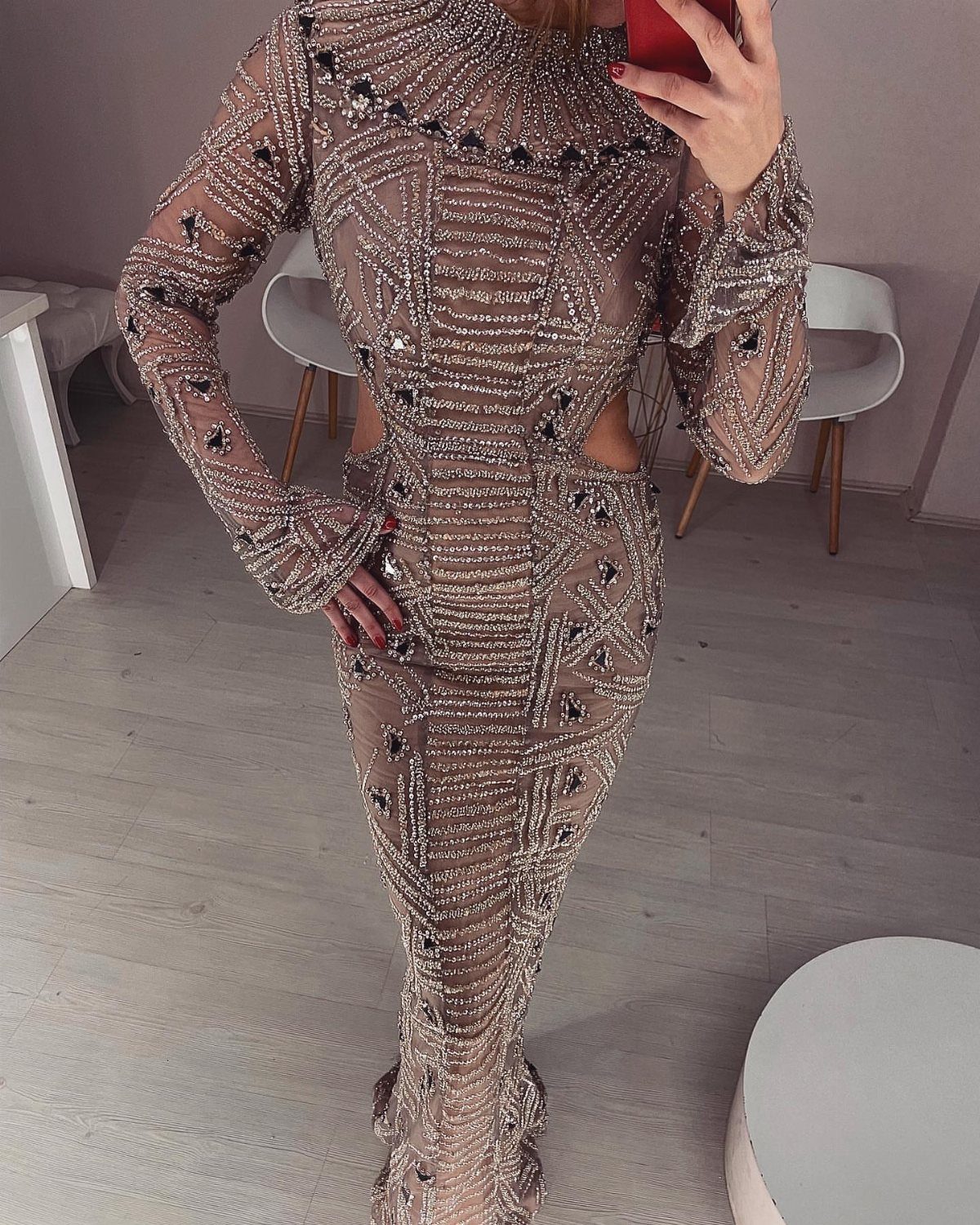
Beadwork this dense already does the decorating, so shoes, bag and jewelry can stay quiet. Long sleeves and a beige base let the silver and black pattern read as the focus.
I would keep jewelry to small studs or nothing at all, and choose a plain clutch.
A heavily beaded gown carries weight, so check the lining feels smooth against your skin before buying; scratchy beads on the inside of a sleeve get old fast.
2. Fringe Silk Dresses
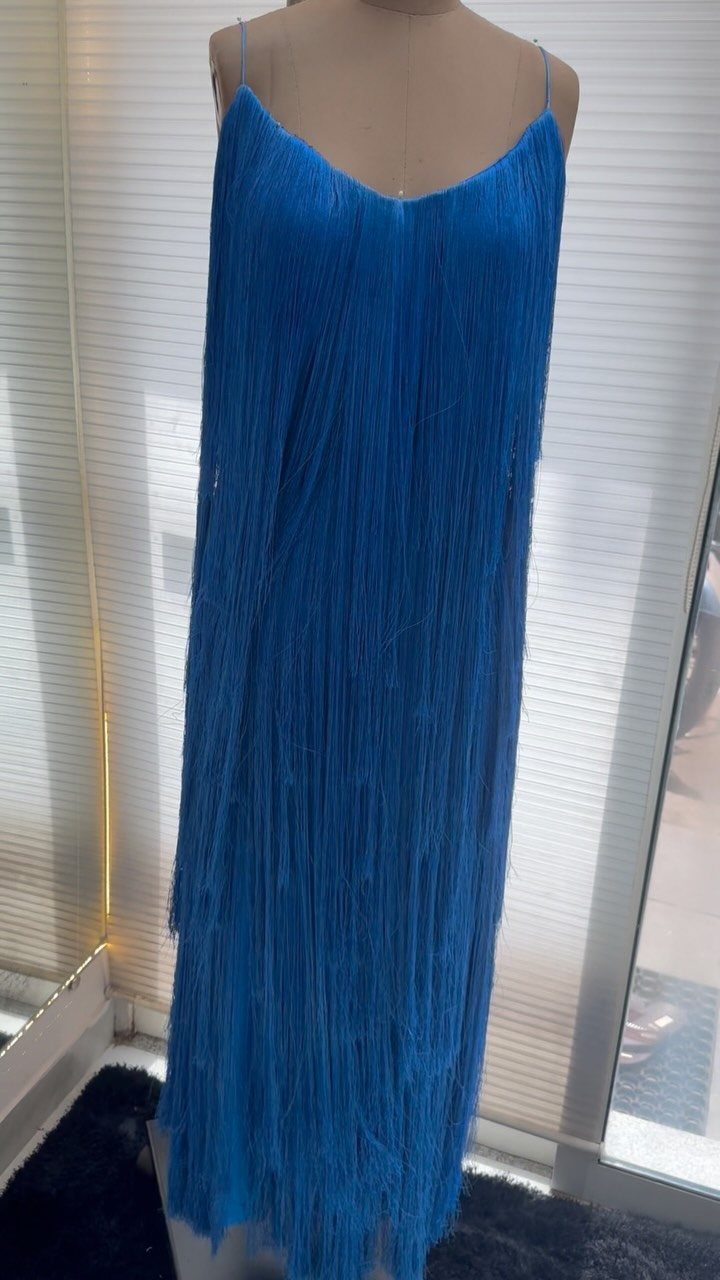
Tiers of fringe give a long dress its own motion, and in royal blue that movement is the whole design. Silk suits it because the strands hang and swing instead of clumping.
I like this style with bare, simple styling: no necklace, one pair of earrings. Fringe catches on chair backs and bag straps, which is why a small clutch beats a shoulder bag.
3. Art Deco Sequin Dresses
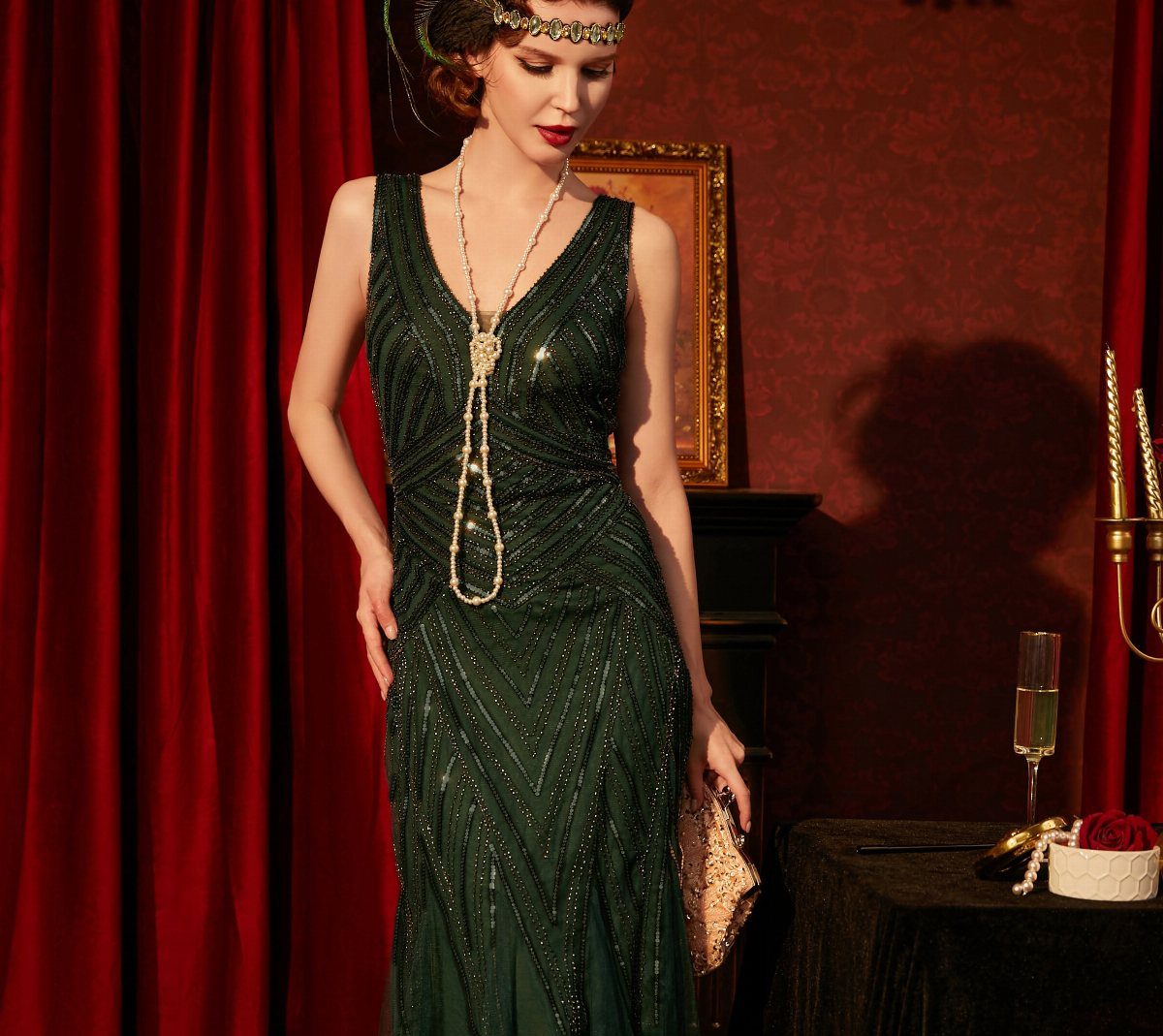
Dark green sequins read richer than silver or gold, which is why this color works for a 1920s look without feeling like a costume. Pair it with a headband and one long necklace, and stop there.
If you shop for quality, look at how the sequins are attached. Rows that are sewn on and lie flat will outlast loose, glued-looking ones, and a lined dress will feel better on your skin.
4. Sleeveless Evening Gowns
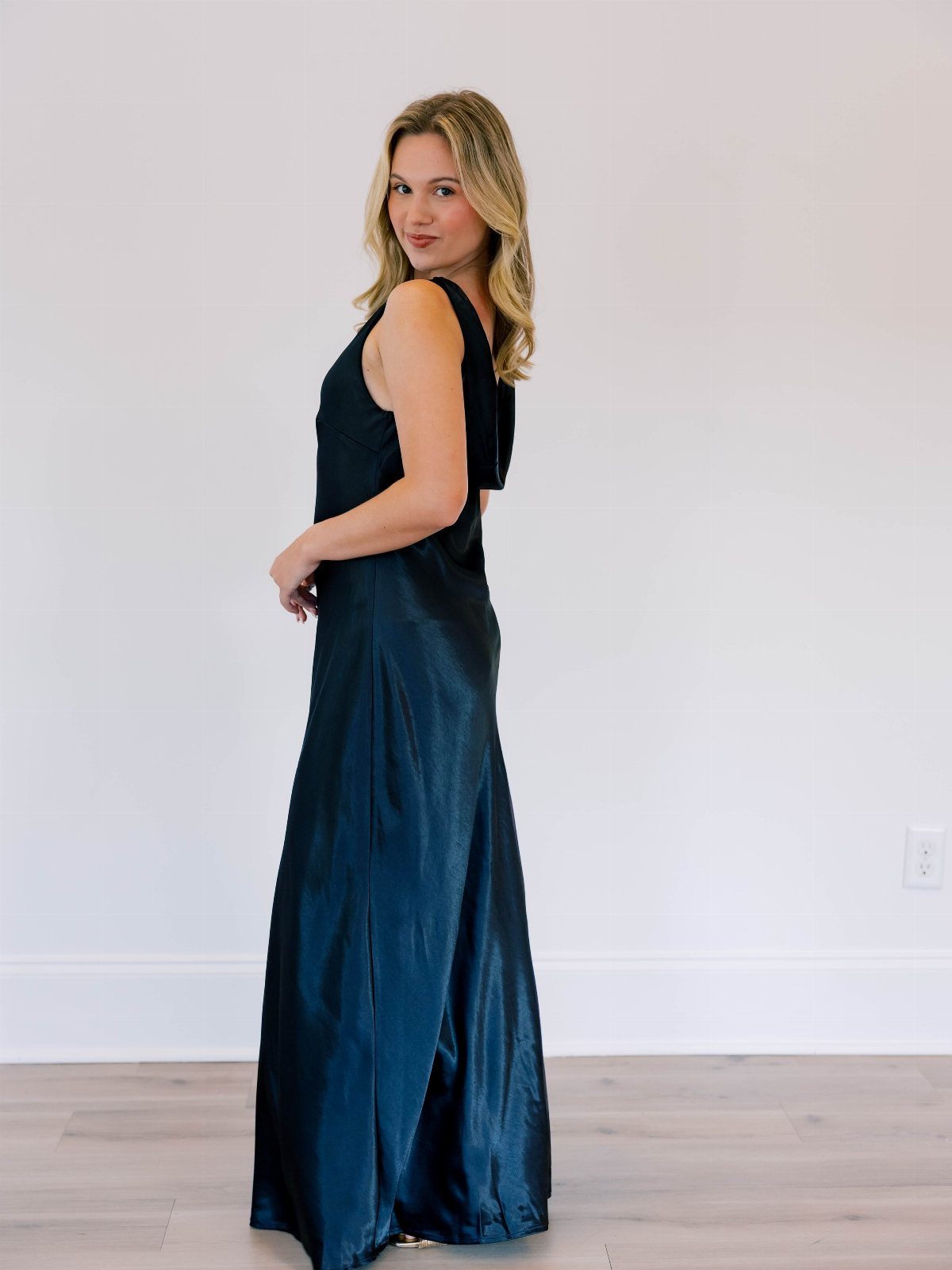
Bare arms and a long black satin skirt make a clean, simple shape, and the fabric does the shining. Nothing needs to be added to the neckline.
For me, this is the easiest gown to wear more than once. A wrap, a tailored blazer or a long cardigan covers the shoulders when the room is cold, and a different pair of earrings changes the look completely.
5. Long Gowns
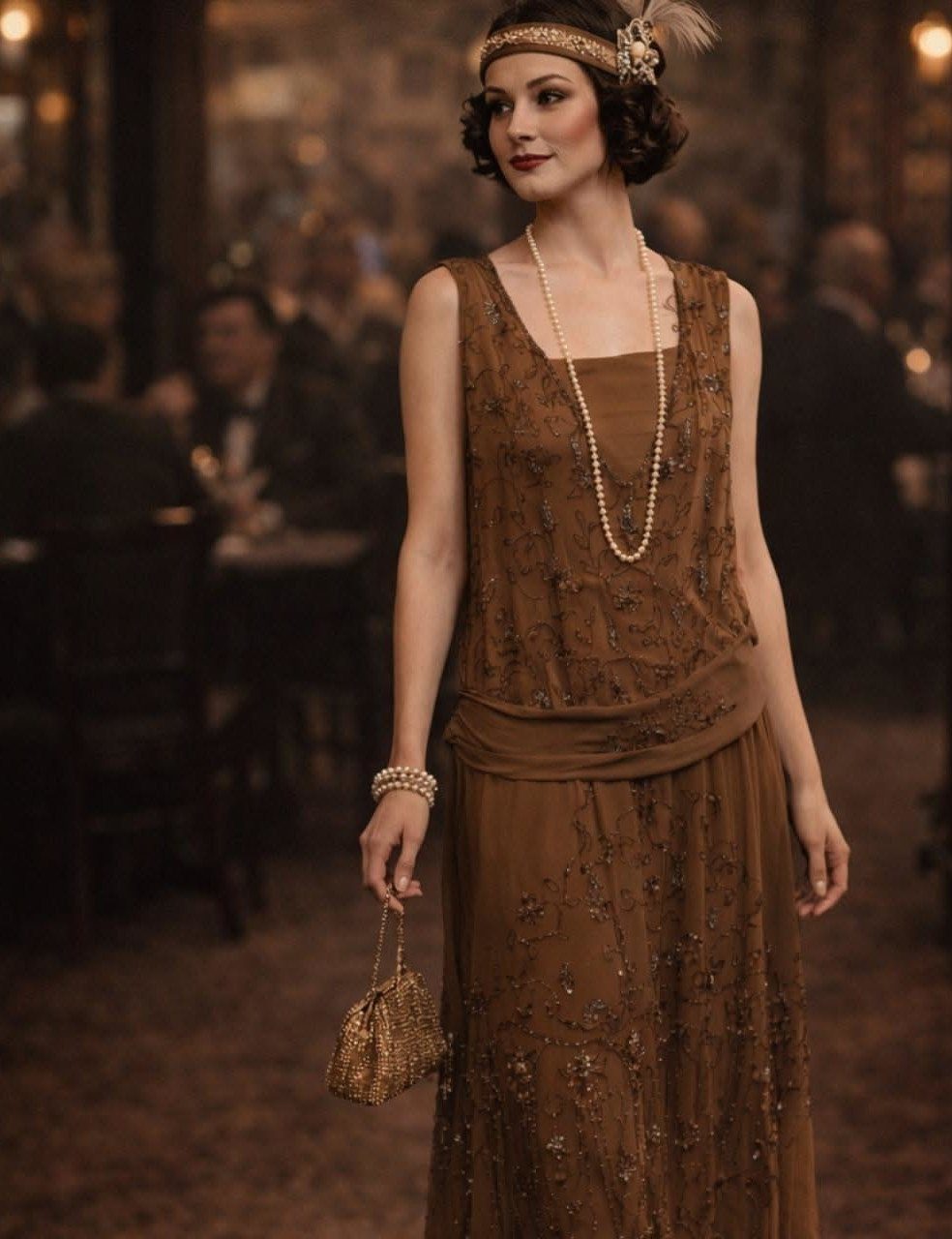
Brown beading gives a long dress a softer, less expected look than black, and it reads warmer against most skin tones. Pearls and a feathered headband finish it without much effort.
Keep the bag small, like the gold purse here, since a big one breaks the line. Brown also pairs well with gold and cream, so shoes are easy to choose.
6. Long Dresses with Vintage-inspired Accessories
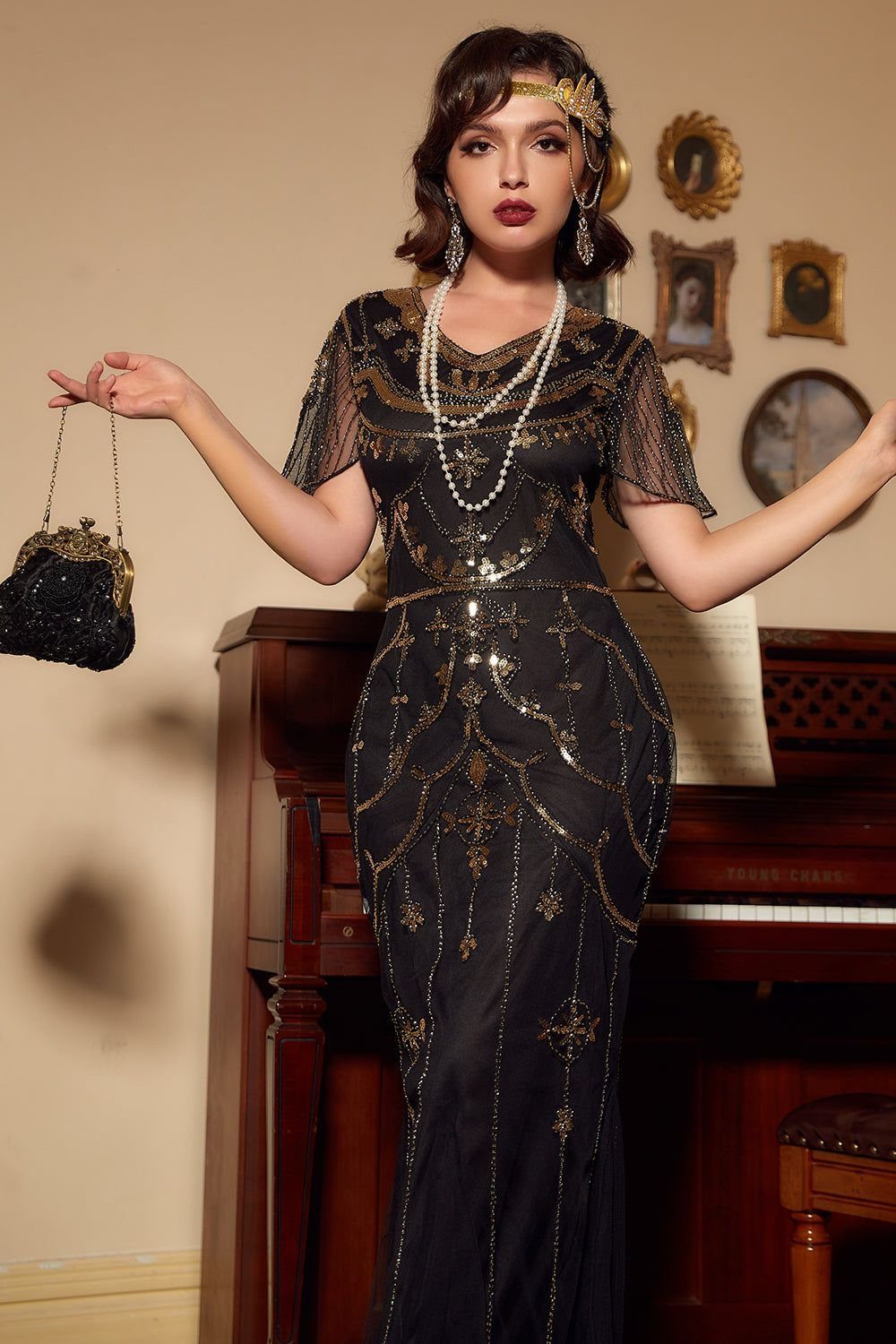
Accessories decide whether a 1920s long dress looks styled or just sparkly.
I would pick one metal tone and hold to it.
Gold sequins and a gold headband agree; mixing in silver jewelry muddies it. A long strand of pearls adds drama, but skip bracelets that compete with the beading.
7. Mermaid Silhouette
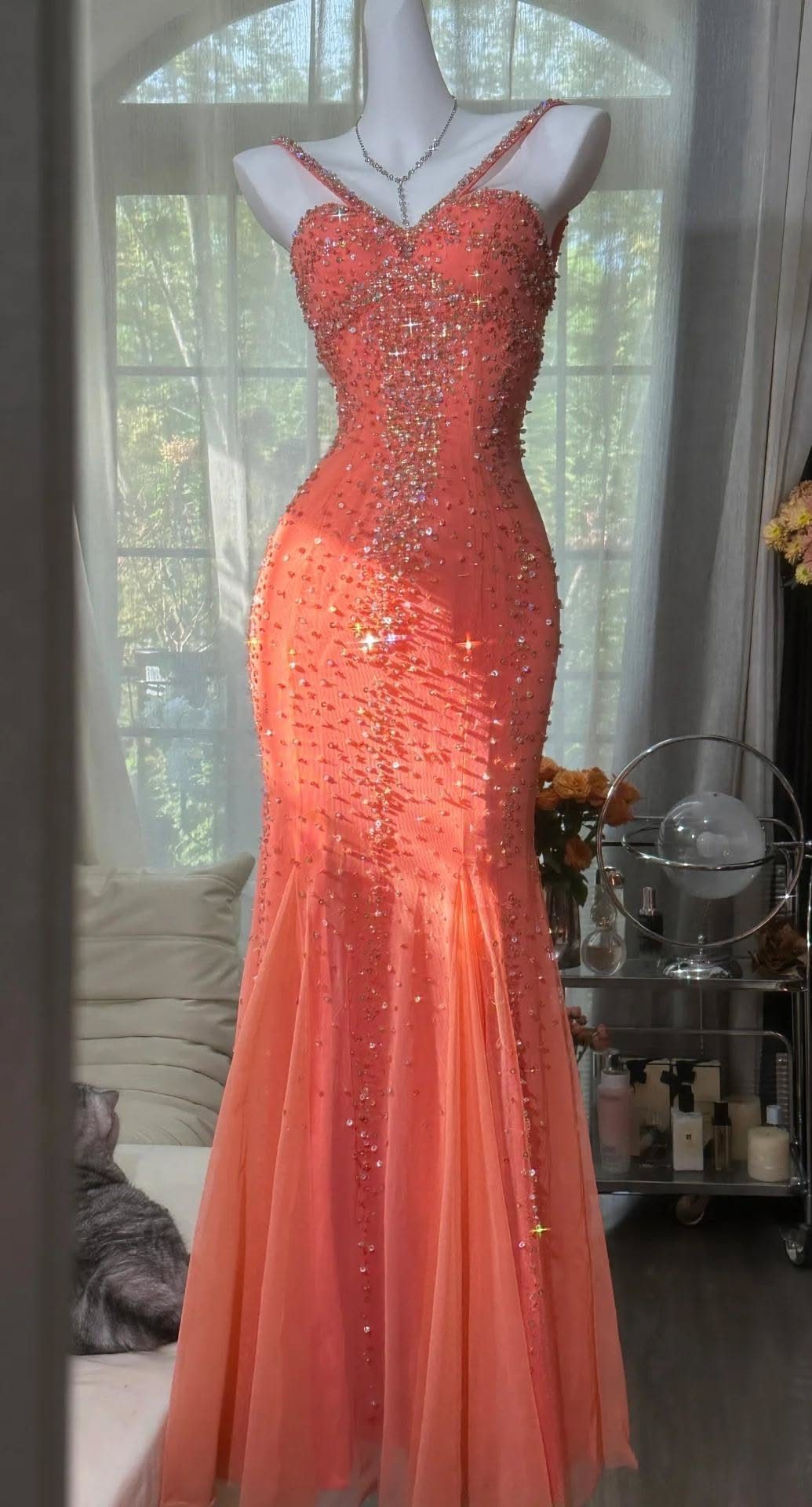
A mermaid cut holds close through the hip and thigh, then flares at the hem, so the fit decides everything. Coral with sequins and beads gives the shape enough color that the silhouette needs no extra help.
I would try it on and sit down before buying, since a fitted skirt can pinch when you bend. Keep the jewelry to one pair of earrings and let the flare be the focus.
A sequined mermaid gown is heavy at the hem, so check that the lining is smooth against your legs.
8. Gatsby-inspired Long Dresses with Sequins
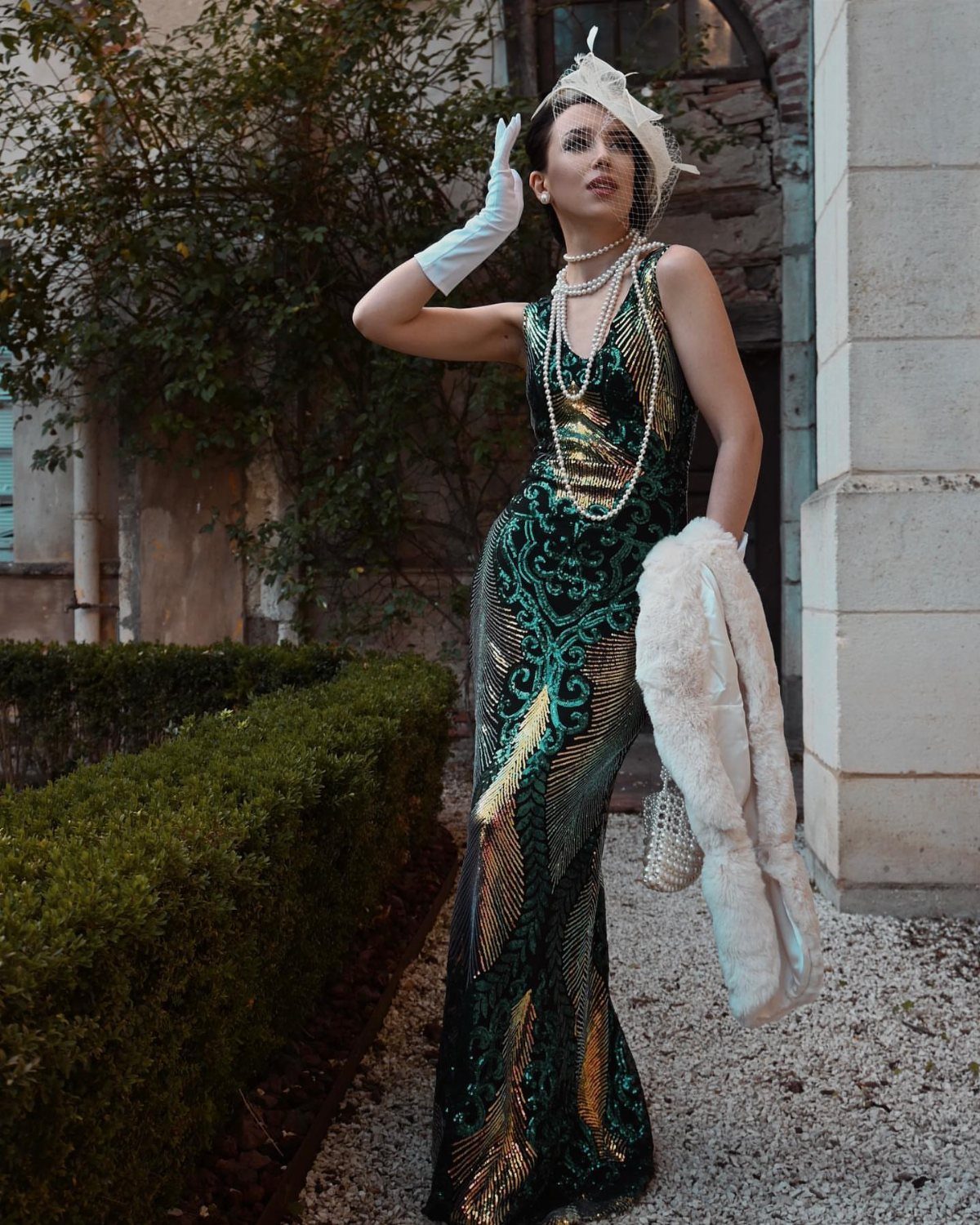
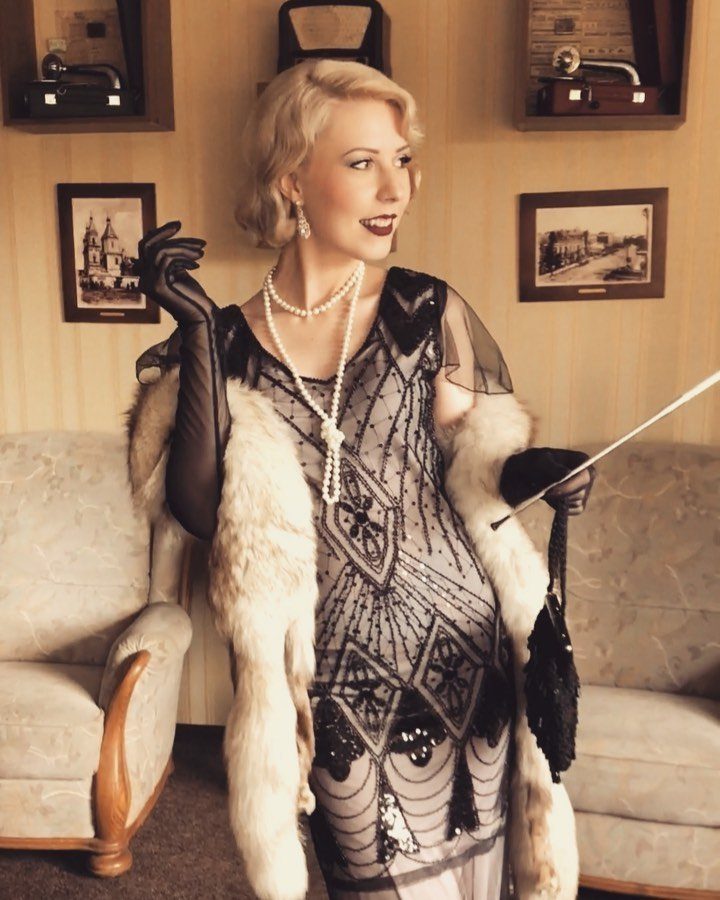
Green and gold sequins with pearls, gloves and a fascinator is the full Gatsby formula, and it works because each piece repeats the same glamour. A fur stole adds the final layer without hiding the dress.
For a dress you plan to wear more than once, I would buy it first and add the rest in stages.
The gloves and stole are the easiest pieces to swap out, and they keep the dress from looking like a costume.
Stay with one metal tone, gold here, so the sequins and accessories agree.
Occasions for Wearing Long Dresses
Long dresses suit weddings, parties and themed gatherings, and the dress code on the invitation should settle the choice. A wedding or formal party calls for the full floor-length shape; a themed night gives you room to go bolder.
For a wedding, avoid anything that competes with the couple. A dress in a soft, muted color works better than one covered in sparkle.
Before buying, ask whether you could wear it to a second kind of event.
A long dress that fits a wedding, a party and a themed night earns its place in the closet far better than one made for a single evening.
Materials Used in 1920s Dresses
Chiffon, satin, velvet and lace were the common fabrics, often decorated with sequins and beads. Each one behaves differently on the body, so pick by how you want to move.
Chiffon is light and floaty, which suits flared hems and layers. Satin gives a smooth shine.
Velvet adds weight and warmth, so it suits cooler months. Lace works well as an overlay or a patterned sleeve.
Dresses from the era came in many shapes: straight chemise styles with full beading, uneven hems, and long sleeves in silk and velvet. Beading over chiffon in 2 tones looked especially rich.
For a vintage feel, check the fabric label first. Silk chiffon with hand beading is delicate, so handle it gently.
Accessorizing 1920s Dresses
3 pieces do most of the work: a feathered headband, pearl necklaces and a beaded handbag. Satin gloves finish the look and make it feel complete.
Layering pearls gives a champagne or gold dress more depth. Long opera gloves in black also pair well with a pale dress, such as beige with a lace overlay.
Pick one statement piece and let the others support it.
If the headband has feathers and beads, keep the pearls simple. If the necklaces are layered, keep the handbag small and plain.
Vintage-style pieces are easy to find online, so you can build the set in stages instead of buying everything at once.
Frequently Asked Questions
Did they wear long dresses in the 1920s?
Yes, floor-length gowns were the standard evening shape.
Daytime dresses were simpler, but evening wear was decorated with sequins and beads. Long straight chemise dresses with full beading were common, and long dresses came back with flared skirts in 1929.
What should a woman wear to a 1920s party?
A long beaded or sequined dress with a few vintage accessories is the safest choice.
Evening dresses of the decade were glittery and flashy, and fringe was a popular detail. Add a feathered headband, pearls and a small beaded bag, and pick one statement piece so the rest can stay simple.
What are the dresses from the 20s called?
They are often called flapper dresses or evening gowns.
The name most people want is the flapper dress, and the version that defines it is the beaded chemise: a straight, waistless column that hangs from the shoulders and can run all the way to the floor.
Beyond that column shape, you will find hems cut in points or tiers, long silk or velvet sleeves for cooler evenings, and sheer chiffon layers with beading sewn over the top.