Which 19th-century look suits you depends on how much you’re willing to move, sit and wear: a high-collar blouse with a maxi skirt works on an ordinary day, while a corset over a chemise or full Victorian mourning dress calls for a mirror check, a seated test and a real occasion.
The list runs from one borrowed piece to full costume, and the period itself covers 1837 to 1901, from stiff and showy crinolines and bustles to cycling and tennis sportswear loose enough to walk in.
1. Crinolines and Bustles
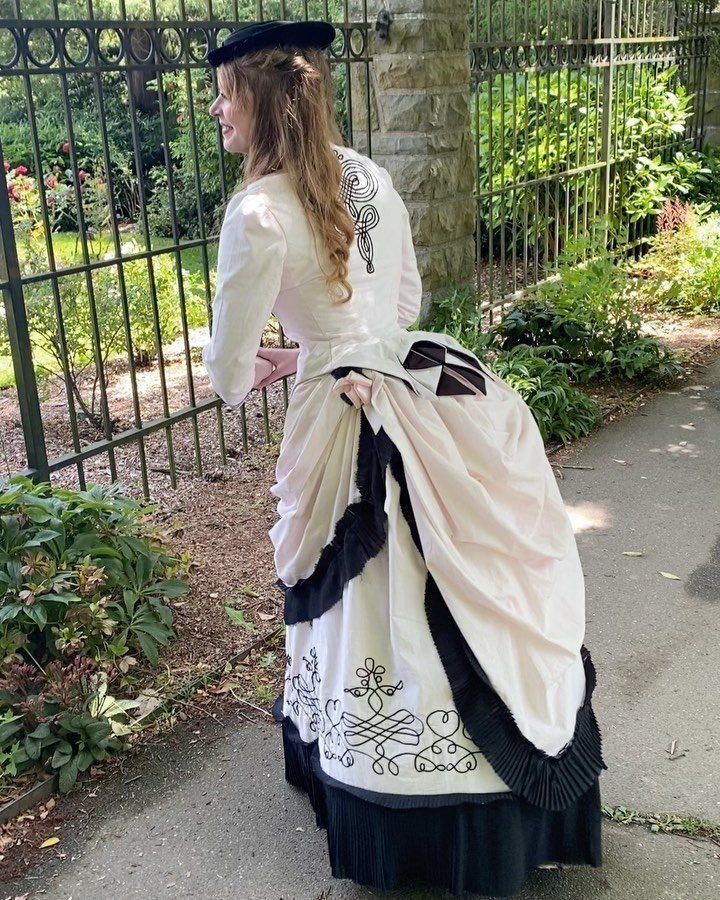
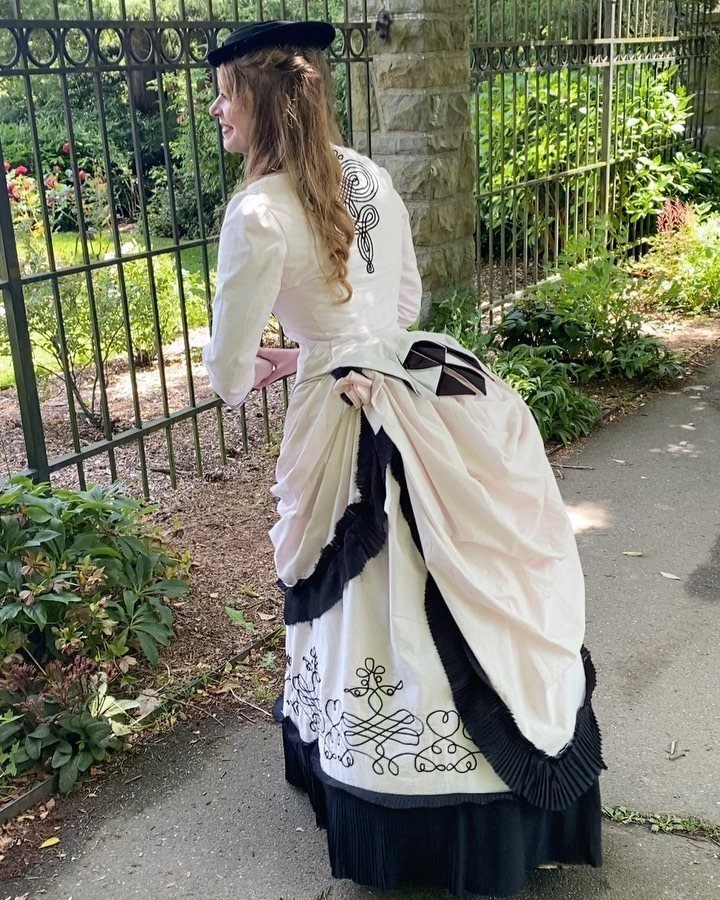
Volume is the whole idea here: a crinoline builds a skirt out evenly all the way around, while a bustle pushes the fullness to the back and leaves the front fairly flat.
For a modern wardrobe, the bustle is the easier one to live with, since a back-heavy skirt reads as a silhouette rather than a costume.
A cream or white base with black trim, plus a hat, keeps it from looking like a party outfit. Skip it if you hate sitting in narrow chairs; the shape takes up room.
2. Cycling and Tennis Sportswear
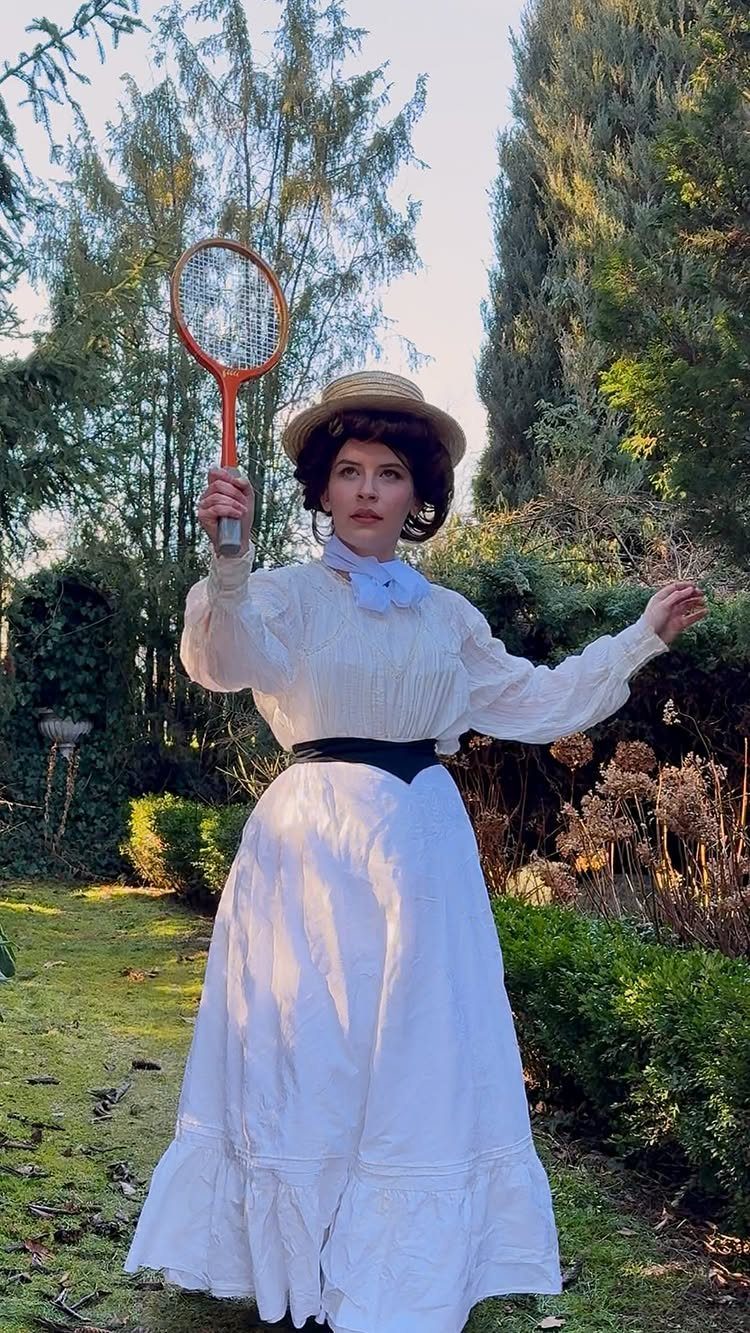
Sportswear for women began as a long white dress with sleeves, a belt at the waist and a straw hat, and that formula still works as a summer outfit.
The black belt is the useful part: it defines the waist so the long white layer doesn’t turn shapeless on a straight or athletic frame.
Choose a lightweight cotton or linen-type fabric if you plan to move around. A vintage-style wooden racket is optional, but it makes the look read as tennis instead of a picnic.
3. Gibson Girl Style
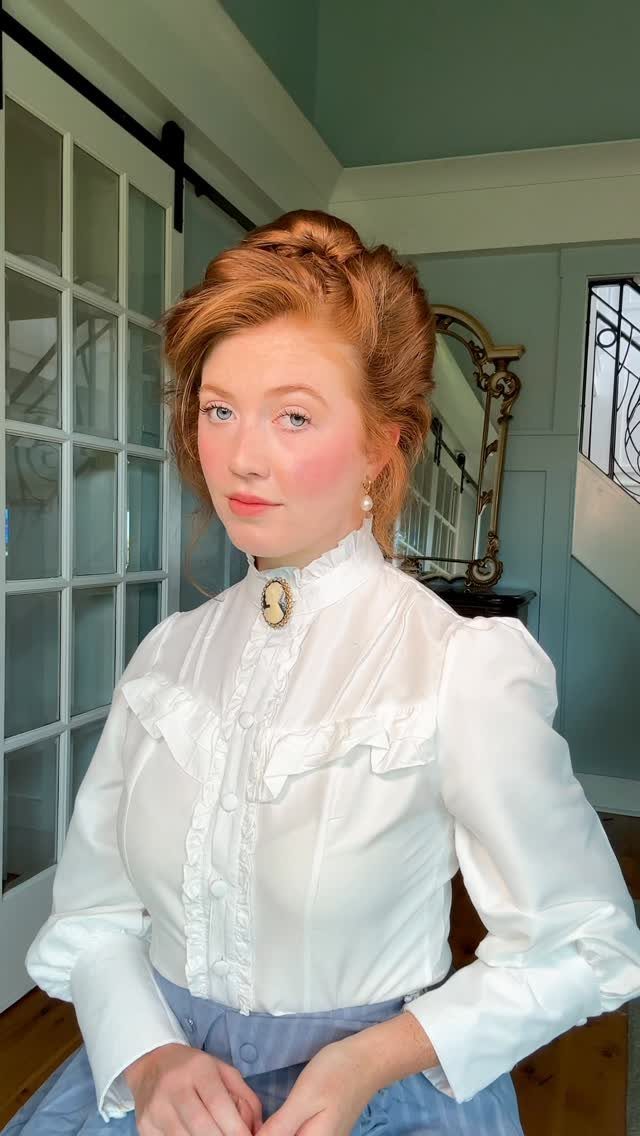
A high-neck white blouse with a ruffled front, a fitted skirt in a mid-tone blue and hair piled into a soft updo make the Gibson Girl at its simplest, and every piece is easy to find today.
The creator describes it as one of several decades she dressed up as in a single week, which tells you how quickly the look comes together from ordinary pieces.
I’d start with the blouse. A ruffled white one you already own may be enough; the updo does the rest, and it works best a little loose rather than tight.
4. Late 19th-Century Western Outfits
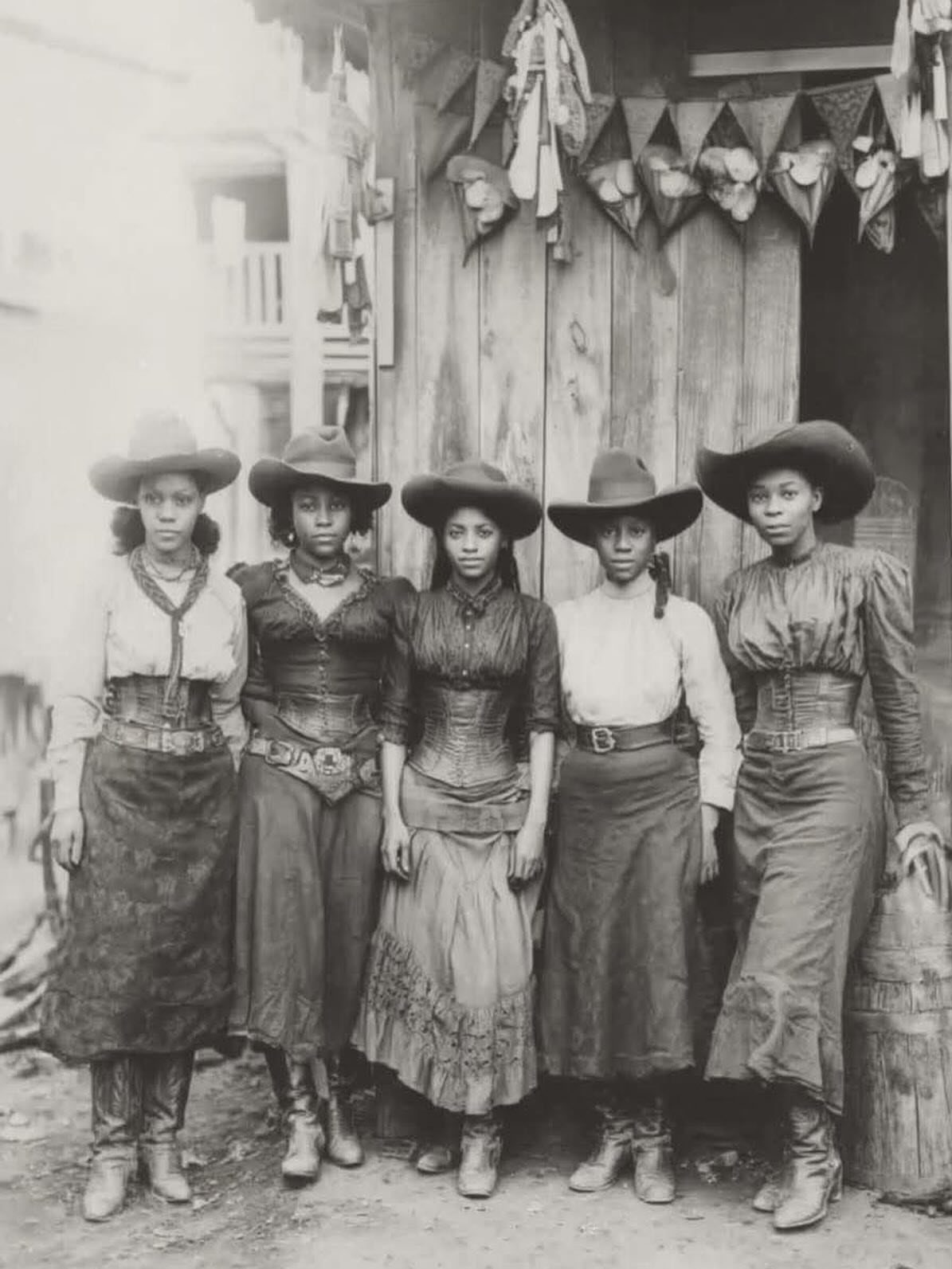
Wide-brimmed hats, button-up blouses and long skirts make up the Western look, and every piece earns its place as workwear before it earns it as style. That’s why it adapts so well to real life: nothing in it is fussy.
Start with the skirt, since length sets the mood.
Keep the blouse plain, let the hat carry the outfit, and add boots if you want it to lean toward ranch rather than parlor. Several friends wearing it together looks even better.
5. Victorian Mourning Dress
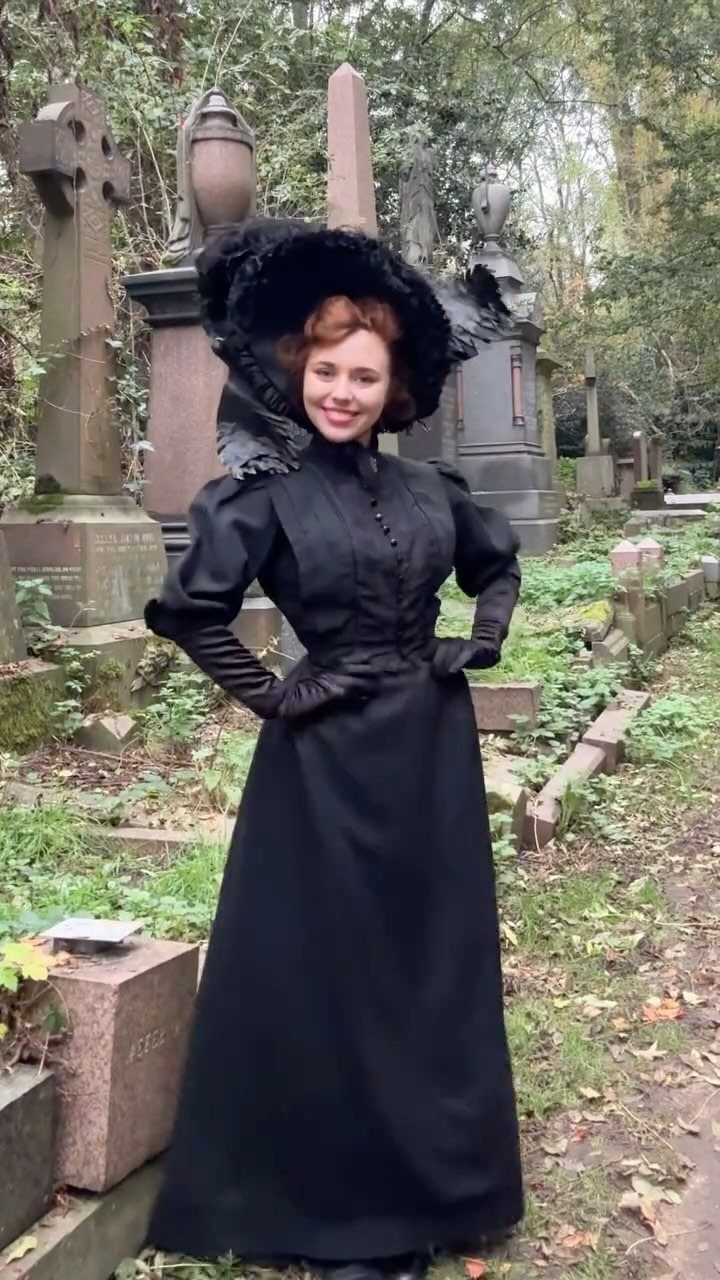
Mourning dress ran black from neck to floor, often topped with a large feathered hat, which makes it the most severe silhouette of the century and the most dramatic.
It suits a cemetery shoot, a Halloween event or a gothic-leaning evening, but I wouldn’t wear it to an ordinary dinner.
If you want a wearable version, take one piece only. A long black dress or a black hat alone gives the mood without the full costume, and head-to-toe black hides nothing, so check the fit in a mirror.
6. Corset and Chemise Undergarments
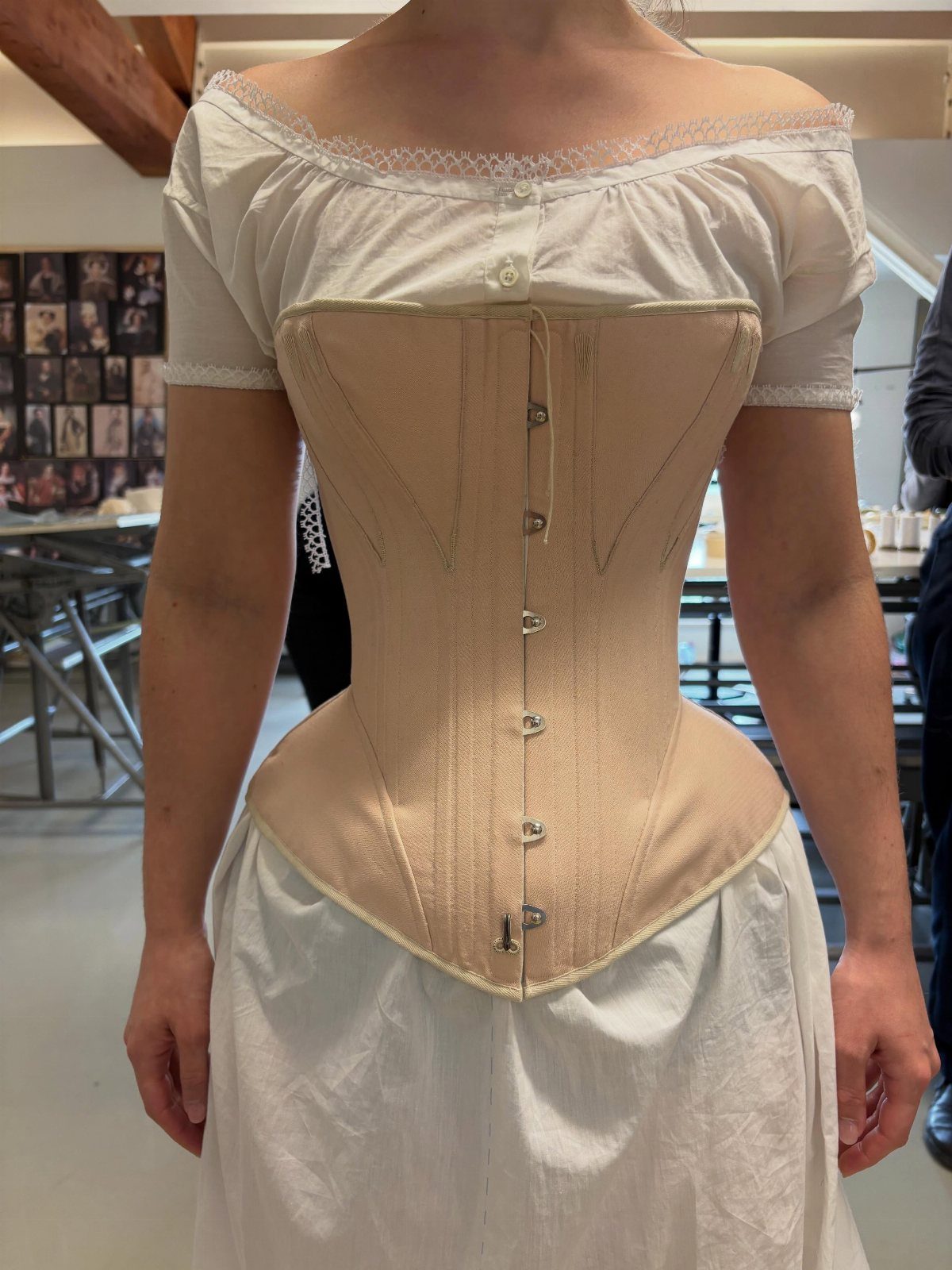
A boned corset worn over the outside of a white chemise turns underwear into a top. The tan corset gives structure at the waist, while the loose off-the-shoulder chemise and white petticoat-style skirt keep everything soft.
This is the layered version I’d actually wear.
Pick the chemise first for comfort, since it sits against your skin, then add the corset snugly rather than tightly. Boning limits how far you can bend, so test sitting down before you commit to a full day.
7. High-Collar Blouse and Maxi Skirt
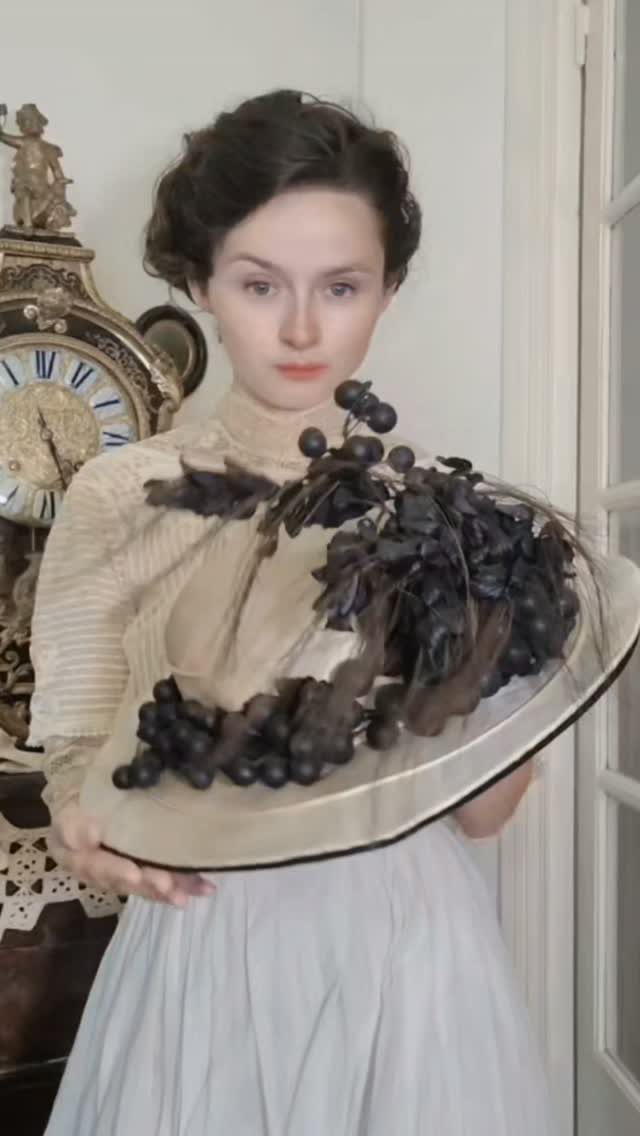
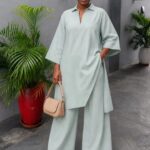
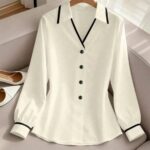
A beige high-collar blouse paired with a light maxi skirt is the easiest 19th-century look to wear on an ordinary day. The collar does the period work, and the skirt grazes the floor without any costume weight.
Keep both pieces in close tones, as the beige and cream here do, so the outfit reads as one long line. That suits a petite or straight frame well, since nothing cuts you at the hip.
Tuck the blouse in and check the hem length in a mirror with your shoes on; a maxi that drags will fray fast.
8. White High-Neck Vintage Gown
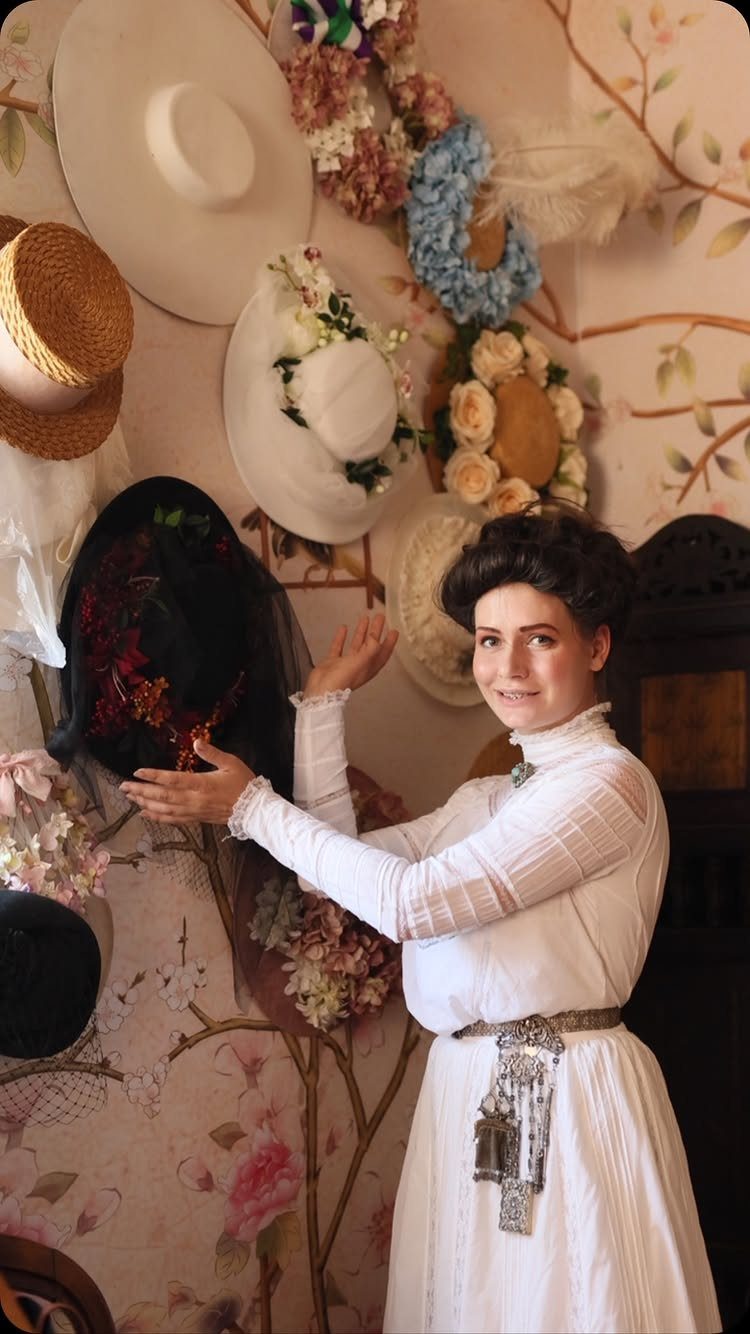
Worn all in white, a high-neck gown with a belt at the waist is the quietest version of the century’s day dress.
The belt matters most: it gives the long, plain column a defined waist, so the dress holds a shape instead of hanging.
I’d pick this for a garden party, a summer wedding guest look or a photo day. White shows every mark, so go for an opaque fabric and test it in daylight before you commit.
A wide-brimmed hat finishes it, and a belt in a contrasting color is a simple way to make it feel less like a nightgown.
Impact of Industrial Revolution
Mass production of textiles is the reason 19th-century style reaches a middle-class closet at all. Cloth got cheaper, fashionable clothing spread to a much wider audience, and dressing well became a way to show personality instead of only rank.
That shift still helps you today. A period-inspired look doesn’t need costume-shop prices; it needs a few well-made basics in good fabric.
Late in the century, Art Nouveau pushed back on mass production with garments drawn from natural forms and fluid lines, and it stressed craftsmanship and quality.
I’d borrow that attitude: buy fewer pieces, check the seams and the drape, and pick soft, flowing shapes over stiff ones.
Victorian Fashion Evolution
Between 1837 and 1901, the Victorian silhouette kept lurching from sober and contained to openly showy, and it looked almost nothing like itself by the end.
By the final decades, the stiff, heavily shaped looks had loosened into clothes a woman could actually move around in.
You can use that swing when you dress. When one piece does the dramatic work, like a full skirt or a high collar, I let the rest of the outfit stay plain and easy to move in.
Think of it as choosing a side of the pendulum for each outfit instead of wearing both extremes at once. A structured top over a simple skirt looks deliberate, while structure on top of structure looks heavy.
Role of Women in Fashion
As women took part in more public life and activities, clothing had to follow.
Dress codes still depended on status and occasion, with court appearances, weddings and mourning each carrying their own rules, and corsets reflected expectations of modesty and femininity.
For a modern outfit, ask what the day requires. If you’ll be walking, standing or out for hours, choose the version of a period look that lets you move.
Dressing to the occasion is the habit worth keeping from that era. A look that suits where you’re going will always read better than one that only suits a mood board.
Frequently Asked Questions
What trends were popular in the early 1900s?
Right at the turn of the new century, the late 19th-century look carried on: the Gibson Girl in a high-neck ruffled white blouse and fitted skirt, with her hair piled in a soft updo.
Later change toward looser, boyish shapes and breathable fabrics came in the 1920s.
How can I wear a 19th-century look today without looking like I’m in costume?
Take one period piece and keep the rest plain. A long black dress or a black hat alone also gives the mood without the full costume.
Before you leave the house, stand at a mirror in the shoes you plan to wear and check how the hem falls and how the garment fits.